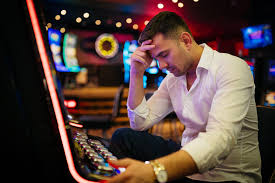
We spoke to men across the UK who have turned their lives around after battling gambling addiction. Their journeys, from the depths of compulsive betting to a life of stability and purpose, reveal a powerful truth: recovery is possible. Through raw honesty, professional support, and the solidarity of other men, they have navigated the difficult path to reclaim their mental health, finances, and relationships. These are their stories of resilience and the lessons learned along the way.
The UK Gambling Addiction Landscape
Gambling addiction is a significant public health issue in the UK, with men disproportionately affected. Understanding the scale of the problem is the first step towards recognising the need for dedicated support and resources tailored to men’s experiences.
Prevalence Among UK Men
According to the UK Gambling Commission, approximately 0.5% of the adult population are problem gamblers. While this figure may seem small, it translates to over 300,000 individuals facing severe consequences from their gambling. Men are statistically more likely to develop problematic gambling behaviours, often influenced by cultural factors, targeted advertising, and the misconception that gambling is a harmless form of entertainment or a quick financial fix.
Available Support and Resources
Thankfully, a robust network of support exists across the country. For immediate help, GamCare, a leading UK charity, offers a free helpline and online support for gambling addiction. The NHS provides structured treatment, often through its Improving Access to Psychological Therapies (IAPT) programme, which can include cognitive behavioural therapy (CBT). For more severe cases, The National Problem Gambling Clinic in London is a specialised NHS service. Alongside these, peer-led groups like Gamblers Anonymous UK provide invaluable community-based recovery.
Voices from Recovery: Personal Testimonies
Behind every statistic is a human story. Here, two men from very different walks of life share their experiences with gambling addiction, detailing the spiral into chaos and the fragile, courageous first steps towards getting help.
Mark’s Story: From Financial Ruin to Stability
Mark, a former finance professional from London, lived a high-pressure life where risk was normalised. What began as weekend sports betting soon escalated into daily online casino use, hidden from colleagues and family. “It stopped being about the money and became a compulsion to escape stress,” he recalls. Within 18 months, he had drained his savings, accumulated £40,000 in secret debt, and was facing professional disciplinary action for using work computers to place bets.
James’s Journey: Mending Relationships and Mental Health
James, a construction worker from Manchester, started with occasional bets with mates. The social activity turned solitary and destructive with the rise of mobile gambling apps. “I’d be placing bets on my phone during breaks, chasing losses instead of being present for my partner and kids,” he says. His addiction led to constant arguments, lies, and a deep sense of isolation, severely impacting his mental health and threatening his family unit.
The Turning Point: Recognising the Need for Change
For both Mark and James, and countless others, recovery began with a pivotal moment—a stark confrontation with the reality of their situation. These turning points, though painful, became the catalysts for seeking help.
Financial Crisis as a Catalyst
For Mark, the turning point was a final demand from a loan company that his partner intercepted. “The shame of her seeing that letter, the sheer panic of being exposed—it broke through the denial,” he says. The immediate threat of losing his home and his relationship forced him to acknowledge the unmanageability of his finances and his life.
The Impact on Relationships
James’s wake-up call came when his partner told him she was taking the children to stay with her parents. “She looked me in the eye and said, ‘You’ve chosen the betting over us.’ That was my rock bottom. I was about to lose everything that actually mattered.” The potential loss of his family created a motivation stronger than the urge to gamble.
Mental Health Wake-Up Calls
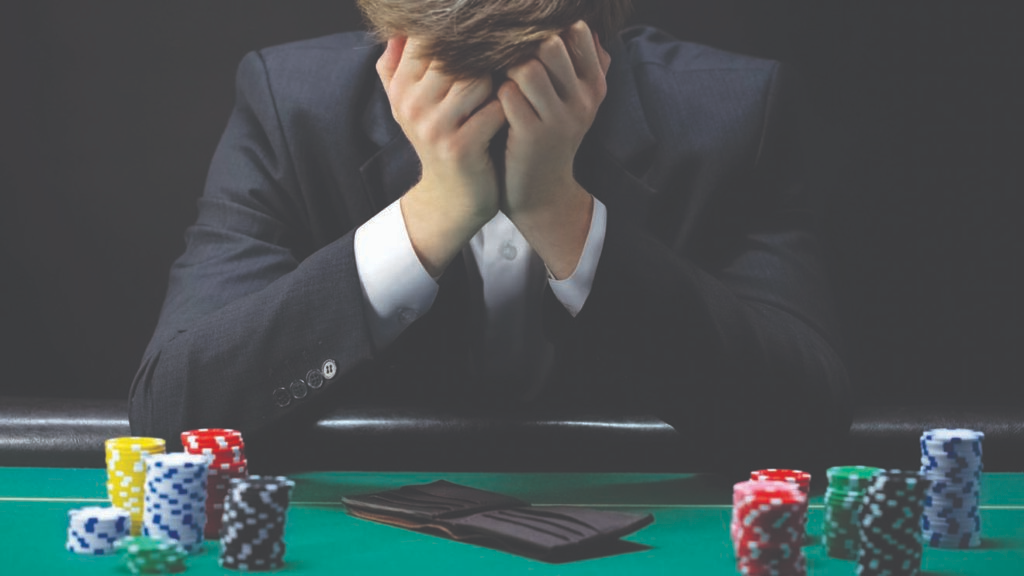
Both men describe hitting an emotional rock bottom characterised by severe anxiety, depression, and suicidal ideation. The constant cycle of guilt, secrecy, and loss had eroded their self-worth. Recognising that this was a mental health crisis, not just a financial or behavioural one, was crucial in their decision to seek professional help.
Tools and Strategies That Made a Difference
Recovery is built on a toolkit of practical strategies and support systems. Mark and James utilised a combination of professional, peer-based, and technological resources to build a foundation for their new lives.
Professional Therapy and CBT
Both men accessed therapy through NHS pathways. The NHS provides gambling addiction treatment through its Improving Access to Psychological Therapies (IAPT) programme, where they underwent Cognitive Behavioural Therapy (CBT). This helped them identify the triggers, distorted thoughts, and behaviours behind their gambling and develop healthier coping mechanisms.
Peer Support: Gamblers Anonymous UK
Attending local meetings was transformative. Gamblers Anonymous UK runs weekly meetings across the country for peer support. “Walking into that room and hearing other men tell my story was both terrifying and a relief,” James shares. The shared experience, accountability, and step-work programme provided a framework for recovery that complemented their clinical therapy.
Self-Exclusion and Technology Aids
Taking practical steps to block access was essential. They both used the national GAMSTOP self-exclusion scheme, which prevents users from accessing UK-licensed gambling websites and apps. Additionally, they used software to block gambling sites on their devices and handed control of their finances to a trusted person during the early stages of recovery.
Key tools that supported their early recovery included:
- Registering with GAMSTOP for online self-exclusion.
- Using banking tools to block transactions to gambling merchants.
- Attending weekly Gamblers Anonymous meetings in their local cities.
- Working with a therapist on CBT techniques to manage urges.
- Deleting gambling apps and using website blockers on all devices.
Building a New Life Beyond Addiction
Recovery is more than just stopping a behaviour; it’s about constructing a fulfilling life where the urge to gamble loses its power. This involves rebuilding practical foundations and nurturing mental and social well-being.
Career and Financial Rebuilding
Mark, with support, created a strict debt management plan and was transparent with his employer. He has since moved to a different role within finance with less pressure. James returned to construction with renewed focus, using overtime to steadily pay off debts and rebuild trust through financial transparency with his partner.
Rediscovering Passions and Hobbies
Filling the void left by gambling was critical. Mark returned to playing Sunday league football, a passion he’d abandoned. James started hiking with his children at weekends, reconnecting with his family and the outdoors. These activities provided natural dopamine hits and a sense of achievement unrelated to financial risk.
The Support of Men’s Communities like Heart Space
Both men emphasise that ongoing support is key to maintaining recovery. Beyond formal groups, they found strength in men’s mental health communities. Mark mentions the value of the Heart Space community app, often referenced through its founder, the Naked Professor, which fosters open conversations about male vulnerability, behavioural change, and personal development. “Having a space to talk about the ongoing challenges of recovery, not just the gambling but the underlying stress and emotions, with other men who get it, has been invaluable,” he says.
Recovery from gambling addiction is a continuous journey, not a one-time event. The stories of Mark, James, and many others across the UK prove that with the right support—from the NHS, charities like GamCare, peer groups, and dedicated men’s communities—it is possible to break free and rebuild a stronger, more authentic life. Seeking help is not a sign of weakness, but the first and bravest step towards reclaiming your mental health and your future.




Post Comment
You must be logged in to post a comment.