If you’re reading this, you likely know the weight of an addictive pattern. That feeling of being stuck in a loop, where a single urge can unravel days of resolve, is a profound and personal struggle. For men across the UK, this battle often plays out in silence, hidden behind a culture that sometimes equates strength with stoicism. But here’s the truth that changes everything: empowerment isn’t found in never struggling; it’s found in having practical, tangible tools to break the cycle. Changing your behaviour is a skill you can learn, and this guide is your first step towards reclaiming control.
Understanding Behavioural Addiction: Why Change Starts Here
Behavioural addiction, unlike substance addiction, involves a compulsion to engage in a rewarding non-substance-related behaviour despite negative consequences. Gambling is one of the most recognised examples, where the rush of the bet and the possibility of a win hijack the brain’s reward system in a similar way to drugs or alcohol. It’s a significant issue for men in the UK, with the UK Gambling Commission reporting over 400,000 problem gamblers, a figure that underscores the scale of this hidden challenge. Understanding that your struggle has a name and a mechanism is not about assigning blame; it’s about demystifying the enemy and starting the work of change from a place of knowledge.
The Habit Loop: Cue, Routine, Reward
Every addictive pattern is built on a neurological loop, popularised by Charles Duhigg. It consists of three parts: a Cue (a trigger that initiates the behaviour), a Routine (the behaviour itself, like placing a bet), and a Reward (the feeling of relief or excitement that reinforces the loop). To change the behaviour, you must first dissect this loop. Where does the urge truly begin? Is it a feeling, a time of day, or a specific location?
Identifying Your Personal Triggers in the UK Context
Triggers are deeply personal, but they are also shaped by our environment. In the UK, this might include the pervasive advertising for betting apps during football matches, the high-street bookmakers in your local area, or the cultural norm of “having a flutter” on the Grand National. It could also be internal: stress from work, feelings of isolation, or boredom during long evenings. Pinpointing your unique triggers is the critical first act of self-defence against the habit loop.
Foundational Self-Awareness Tools for Daily Practice
Before you can change a pattern, you must see it clearly. Self-awareness is the bedrock of behavioural change, moving you from autopilot to conscious choice. It’s about observing your thoughts and feelings without immediately being driven by them. In the UK, resources like the NHS Every Mind Matters campaign actively promote building this kind of mental resilience, highlighting that good mental health is the foundation for overcoming challenges.
Mindfulness Meditation with Apps like Headspace
Mindfulness trains your brain to notice urges and emotions as temporary events, not commands you must obey. It creates a crucial pause between trigger and action. Apps like Headspace offer guided sessions specifically for managing cravings and anxiety, making this practice accessible for beginners. Even five minutes a day can build the mental muscle needed to “surf” an urge rather than being swept away by it.
Journaling Prompts for Men’s Mental Health
Writing is a powerful way to process emotions and track patterns that often go unnoticed. For men, who may have been conditioned to avoid “talking about feelings,” journaling offers a private, unfiltered outlet. Try prompts like: “What emotion was I trying to escape when the urge hit?” or “What were the three events that led up to my craving today?” This isn’t about creating a masterpiece; it’s about creating clarity.
Practical Strategies to Interrupt and Replace Patterns
With heightened awareness, you can now deploy practical, evidence-based strategies to disrupt the habit loop. These techniques are rooted in Cognitive Behavioural Therapy (CBT), which focuses on changing the thoughts and behaviours that maintain addictive cycles. The goal is simple: break the automatic connection between your cue and your old, damaging routine.
The 10-Minute Rule for Urge Surfing
When an intense craving strikes, tell yourself you will wait just 10 minutes before acting on it. Use this time to engage in a distracting activity—go for a brisk walk, do some press-ups, or call a friend. Urges are like waves; they peak and then subside. The 10-minute rule helps you ride out the peak without giving in, proving to yourself that the urge is not all-powerful.
Redesigning Your Environment to Reduce Temptation
Willpower is a limited resource. A far more effective strategy is to change your environment so it requires less willpower. This is a core principle of behavioural change. For gambling, this could mean:
- Deleting betting apps from your phone and using site-blocking software.
- Taking a different route home to avoid passing the bookmaker.
- Unsubscribing from gambling-related emails and unfollowing betting accounts on social media.
- Handing control of your finances to a trusted person for a period, a step often recommended by support groups like Gamblers Anonymous UK.
Building New Habits with the Replacement Principle
Nature abhors a vacuum, and so does your brain’s reward system. Simply trying to *stop* a behaviour leaves an empty space that the old habit will rush to fill. The replacement principle, echoed in books like James Clear’s ‘Atomic Habits’, focuses on filling that space with a new, positive behaviour that satisfies a similar underlying need. If gambling provided excitement, what healthy activity can provide a thrill? If it was an escape from stress, what is a truly restorative alternative?
Finding Healthy Alternatives to Gambling
The key is to identify the need the old behaviour was meeting and find a healthier way to meet it. If it was about risk and excitement, consider learning a new skill like rock climbing or investing time in a competitive sport. If it was about zoning out, try immersing yourself in a complex video game, a gripping book, or learning to play an instrument. The alternative doesn’t have to be “worthy”; it just has to be engaging and positive.
Habit Stacking for Consistent Change
Habit stacking involves attaching a new, desired behaviour to an existing habit. This piggybacks on an established neural pathway, making the new habit easier to form. For example: “After I pour my morning coffee (existing habit), I will write three things I’m grateful for in my journal (new habit).” Or, “When I feel the urge to check my phone for odds (cue), I will instead do five minutes of a Headspace meditation (new routine).” This method builds change into the fabric of your daily life.
Leveraging Community Support in the UK
No man is an island, especially when facing addiction. The myth of the solitary hero overcoming his demons alone is just that—a myth. Real, sustainable change is bolstered by connection. Sharing your experience reduces shame, provides accountability, and offers hope through the lived experience of others. As mental health advocate The Naked Professor often highlights, vulnerability in a supportive community is a sign of strength, not weakness.
Finding Local Support Groups: Gamblers Anonymous UK
Gamblers Anonymous UK runs a proven, fellowship-based programme of recovery through a network of local meetings across the country. Sitting in a room (or on a Zoom call) with other men who understand exactly what you’re going through, without judgement, can be a transformative experience. It provides a structured path and peer support that is invaluable for long-term recovery.
Online Communities: The Heart Space Approach
For those who prefer digital connection or need support outside of meeting times, online men’s support communities fill a vital gap. Spaces like Heart Space are built on the principle of shared growth, offering a platform to discuss challenges like gambling addiction, mental health, and behavioural change in a moderated, compassionate environment. This 24/7 access to peer understanding can be a lifeline on difficult days.
Maintaining Progress and Preventing Relapse
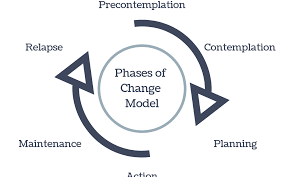
Recovery is not a linear journey; it’s a continuous process of learning and adjustment. A lapse (a single slip) does not have to become a full relapse (a return to the old pattern). Planning for challenges is a sign of strategic intelligence, not a lack of faith in your recovery.
Creating a UK-Specific Relapse Prevention Plan
Your plan should be personal and practical. Identify your top three high-risk situations (e.g., payday, watching football alone, feeling criticised at work). For each, write down two concrete actions you will take. Know the contact details for the NHS Every Mind Matters resources, the GamCare helpline, and a trusted friend. Having this plan written down removes the need to think clearly in a moment of crisis.
Celebrating Milestones and Adjusting Goals
Acknowledge your progress, no matter how small. One day clean is a victory. One week is a major achievement. Celebrate these milestones in a meaningful way that doesn’t involve your old addiction—perhaps a meal with a supportive friend or a new item for a hobby. Regularly review your goals. What worked at month one might need tweaking at month six. Be flexible and kind to yourself; this is a marathon, not a sprint.
Breaking free from addictive patterns is a journey of courage, not perfection. It requires the practical tools we’ve outlined—from understanding the habit loop to building new routines—and the undeniable power of community support. Remember, change is a continuous process, not a one-time event. Your first step is simply choosing one tool from this guide and putting it into practice today. You don’t have to do this alone. The path is walked one step at a time, and a community of men walking a similar path is right here, ready to support you.







Post Comment
You must be logged in to post a comment.